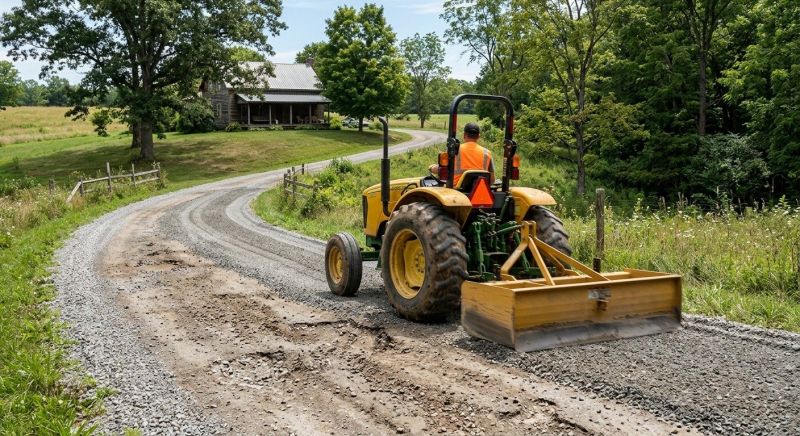
Driveway Leveling in Houston, TX
Driveway leveling services focus on correcting uneven or sloping surfaces to create a stable, safe, and visually appealing driveway. This process typically involves identifying areas where the pavement has settled, developed cracks, or shifted due to soil movement or poor initial installation. Projects can range from minor adjustments to large-scale repairs, including residential driveways, commercial parking lots, and other paved surfaces that require a smooth, even finish for safe vehicle and foot traffic.
Property owners often want to understand the causes of driveway unevenness, the methods used to restore a level surface, and the potential benefits of the service. Before requesting driveway leveling, it’s helpful to consider the extent of the unevenness, the age of the pavement, and any underlying issues such as drainage problems or soil instability. Proper assessment ensures that the necessary repairs address both surface imperfections and any foundational concerns that could impact the longevity of the driveway.
Many property owners in Houston, TX look into Driveway Leveling for repairs, replacements, upgrades, and appearance-related improvements.

Benefits Of Driveway Leveling
Proper leveling helps prevent water pooling and extends the lifespan of the driveway.
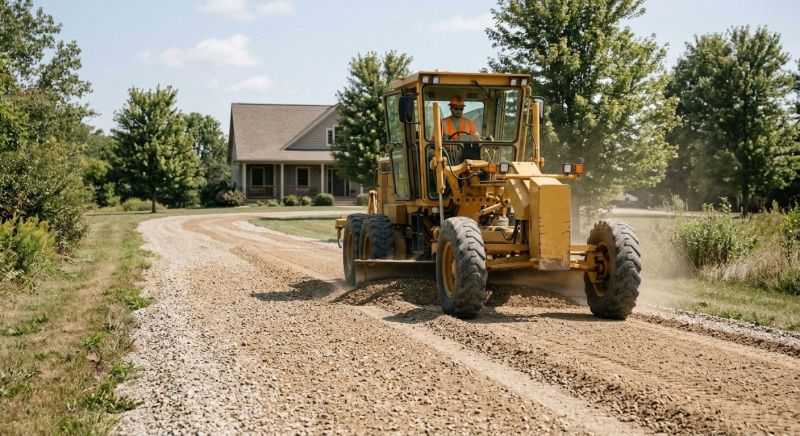
Common Causes Of Driveway Unevenness
Soil erosion, tree roots, and poor initial installation can lead to uneven surfaces over time.
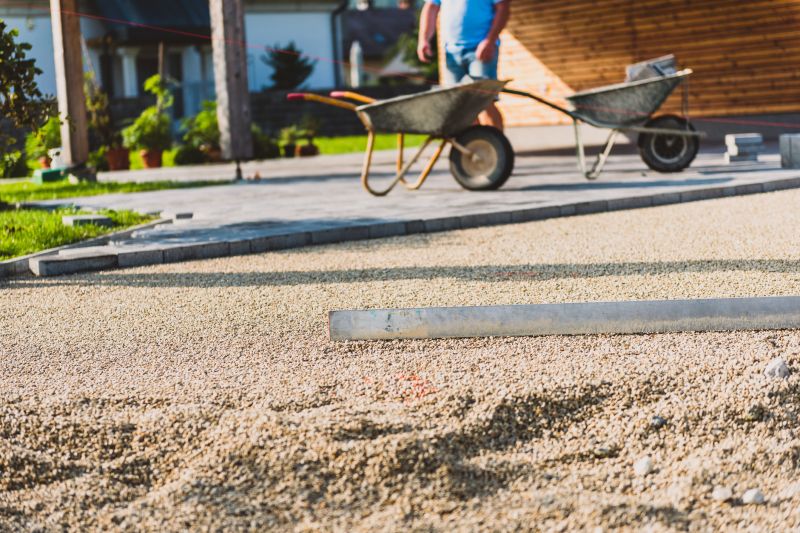
Signs Your Driveway Needs Leveling
Visible cracks, settling sections, and water drainage issues are indicators that leveling may be necessary.
Driveway Leveling in Houston, TX
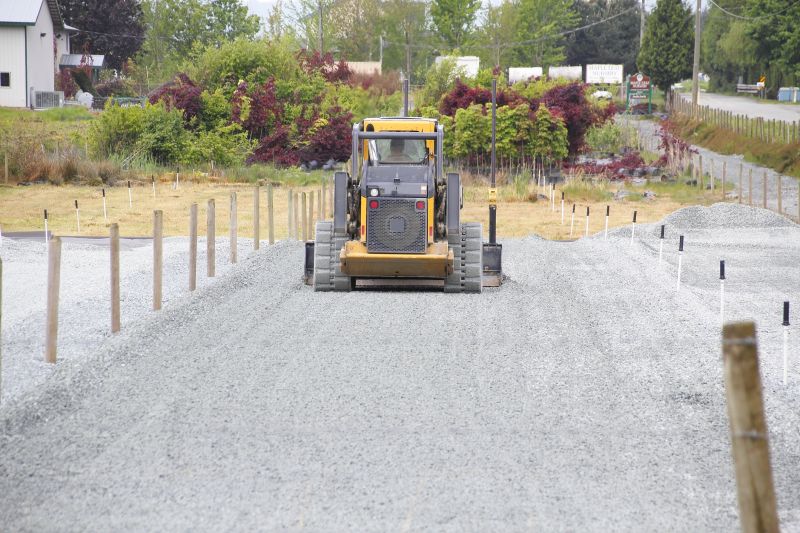
Driveway leveling services focus on correcting uneven or sloping surfaces to create a stable, safe, and visually appealing driveway. This process typically involves identifying areas where the pavement has settled, developed cracks, or shifted due to soil movement or poor initial installation. Projects can range from minor adjustments to large-scale repairs, including residential driveways, commercial parking lots, and other paved surfaces that require a smooth, even finish for safe vehicle and foot traffic.
Property owners often want to understand the causes of driveway unevenness, the methods used to restore a level surface, and the potential benefits of the service. Before requesting driveway leveling, it’s helpful to consider the extent of the unevenness, the age of the pavement, and any underlying issues such as drainage problems or soil instability. Proper assessment ensures that the necessary repairs address both surface imperfections and any foundational concerns that could impact the longevity of the driveway.
Many property owners in Houston, TX look into Driveway Leveling for repairs, replacements, upgrades, and appearance-related improvements.
Common Driveway Leveling Jobs
Driveway leveling - ensures a smooth, even surface for safe vehicle access and parking.
Crack repair - addresses existing cracks to prevent further damage and maintain driveway integrity.
Uneven surface correction - restores proper slope to prevent water pooling and erosion.
Slope adjustment - improves drainage and reduces the risk of water damage to the driveway.
Foundation stabilization - corrects settling issues that can compromise driveway safety and longevity.
Surface replacement - replaces severely damaged sections for a durable, level driveway.
Driveway Leveling Questions
What causes driveway unevenness? Driveway unevenness can result from soil settling, tree root growth, or poor initial grading over time.
How can driveway leveling improve property appearance? Leveling restores a smooth surface, enhancing curb appeal and preventing further damage.
Is driveway leveling suitable for all types of driveways? It is effective for concrete, asphalt, and other common driveway materials experiencing unevenness.
What are common signs that a driveway needs leveling? Cracks, sinking sections, and pooling water are typical indicators of the need for leveling services.
Request Driveway Leveling in Houston, TX
Use the quote form on this page to share the basics of your project and request more information for the type of work you need.